

About
Sky needed to promote a major summer of sport to employees across the business, including people with little existing interest in sport.
Challenge
Previous sports campaigns mainly reached existing fans. The challenge was to build wider engagement without relying on sports knowledge, team loyalty or passive promotional content.
Outcome
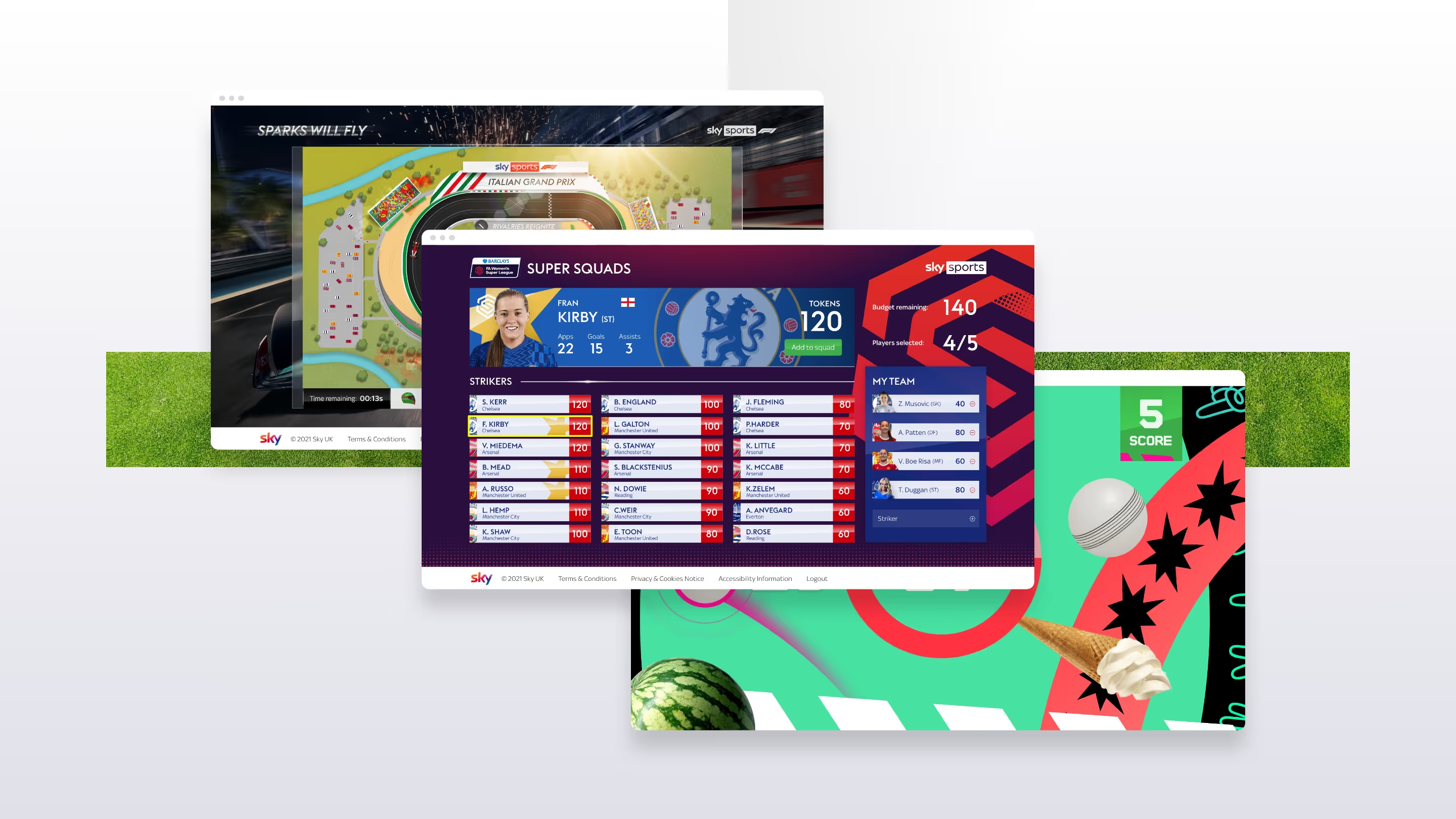
We created a series of simple, competitive games around Formula 1, The Hundred (Cricket), Rugby Union and the Women’s Super League (WSL), designed to make sport easy to play with colleagues. The campaign exceeded its engagement target by over 120% in four days and generated three times more interaction than any previous Sky digital activation.
Overview
Sky needed to promote a major summer of exclusive sports programming to employees across the business. Previous campaigns had mainly resonated with existing sports fans, leaving a much broader internal audience harder to reach.
The opportunity was to shift the experience away from sports knowledge and towards competition. Instead of asking employees to already care about each sport, we designed simple, social games that let them play, compete and learn through the interaction.

My role
The strategy was to remove the barrier to entry. Employees did not need to know the rules, players or teams to take part. They just needed a simple reason to play.
Each game was built around a quick-to-understand mechanic, peer competition and enough personalisation to make the experience feel individual. The sports stayed central, but the hook was participation rather than knowledge.
The question shifted from “how do we teach employees about sport?” to “how do we make sport easy to play with colleagues?”
System approach
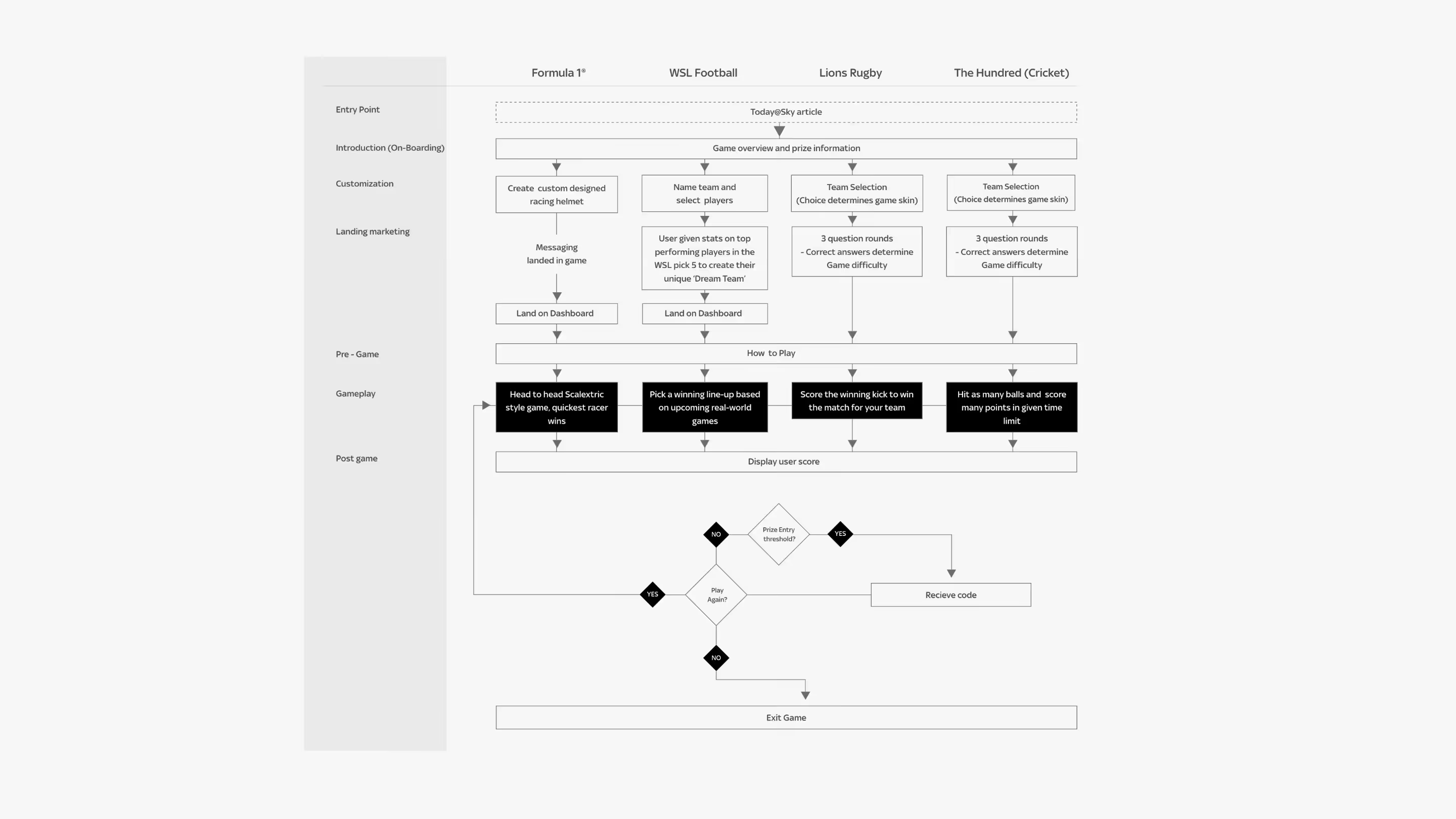
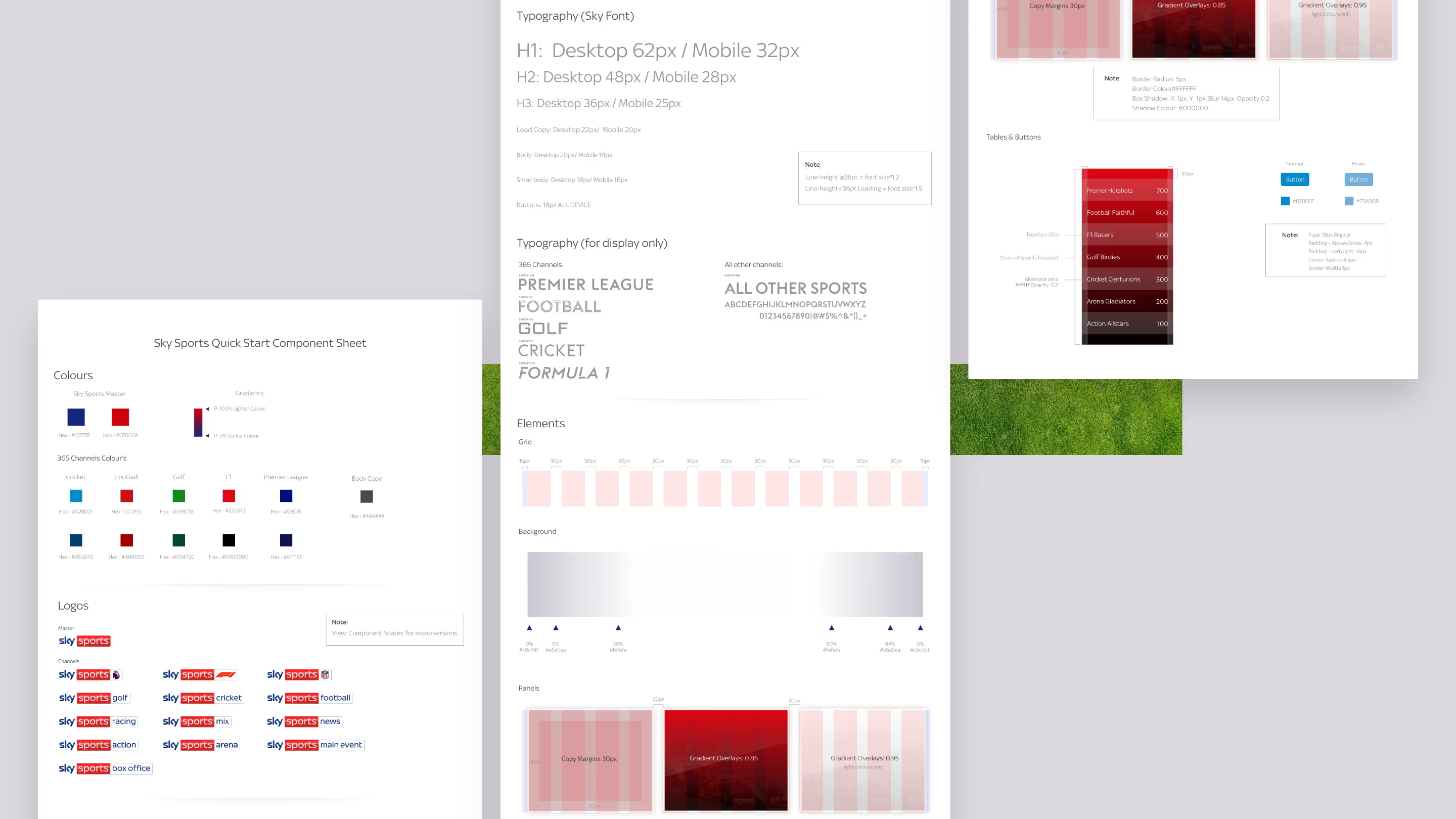
To move quickly, we created a shared game framework for user flows, interaction patterns and development constraints. This gave design and engineering a common structure, while still allowing each sport to feel different.
We used rapid prototypes to test the core mechanic of each game before moving into high-fidelity design, artwork and brand application.
Game rollout
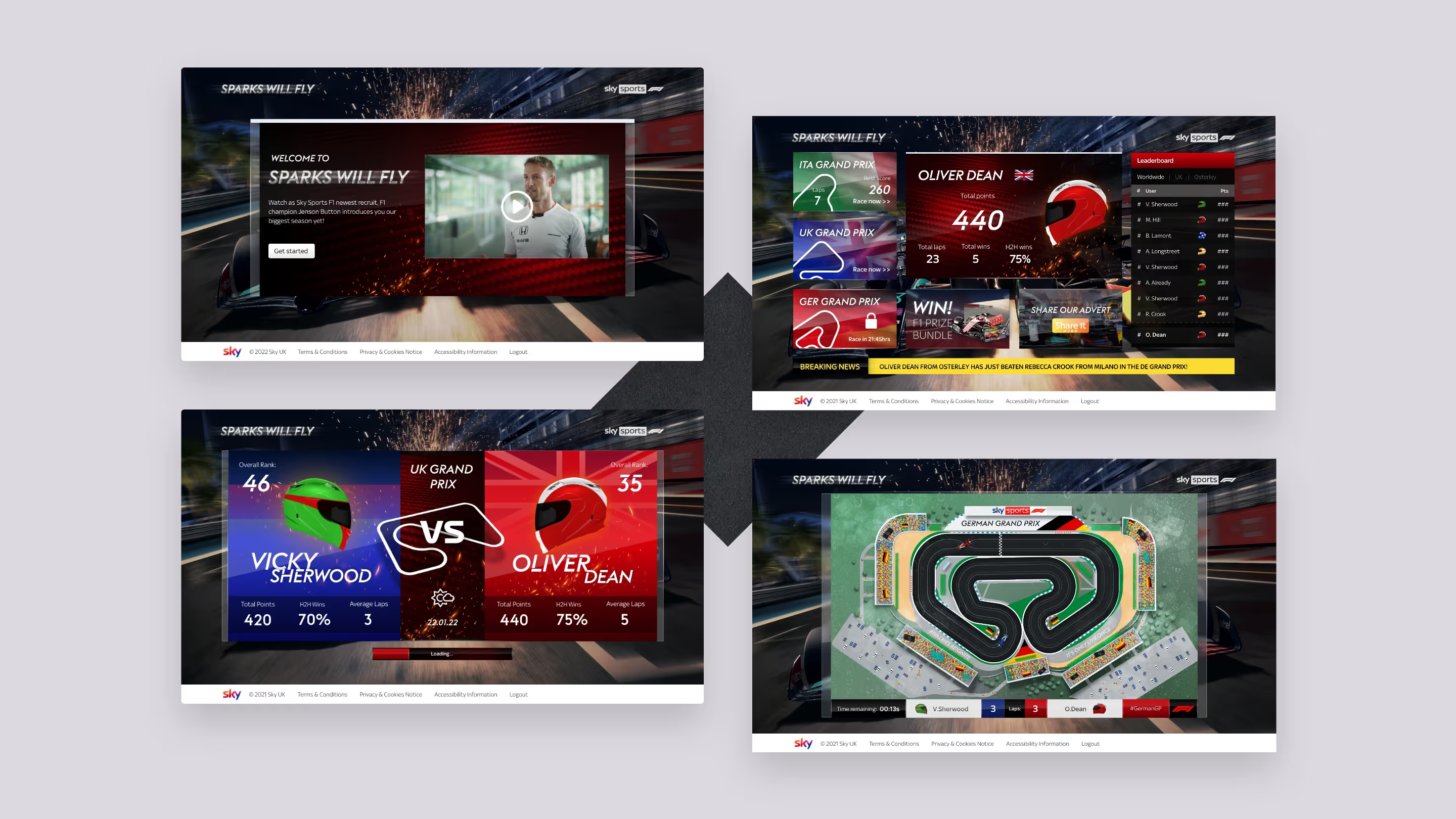
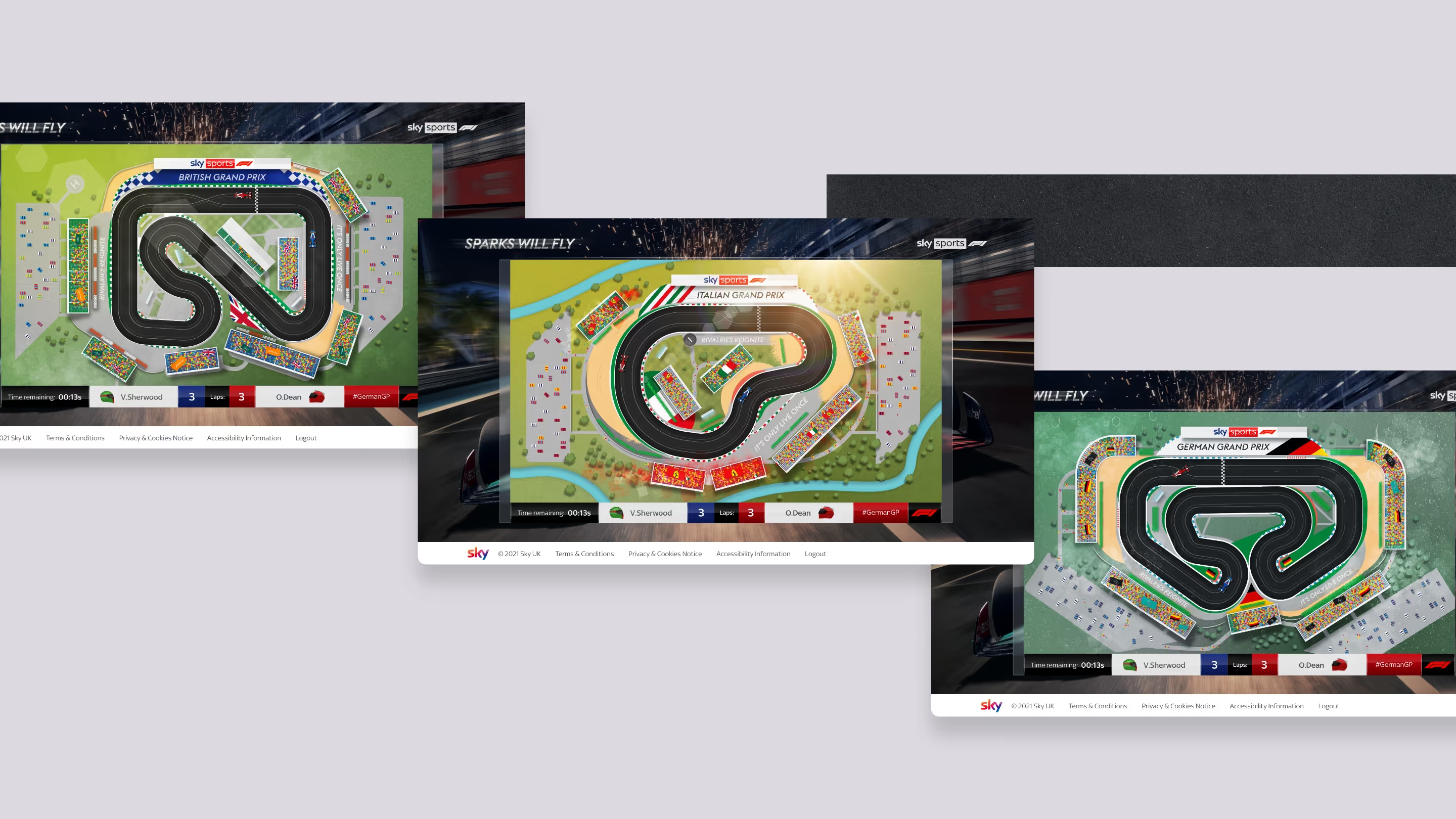
Formula 1 became a single-trigger race experience built around timing, broadcast commentary (recorded by the official Sky Sports F1 broadcast team for the game) and competitive matchmaking. It was the strongest performer, with over 34,000 games played and an average of ten races per player.
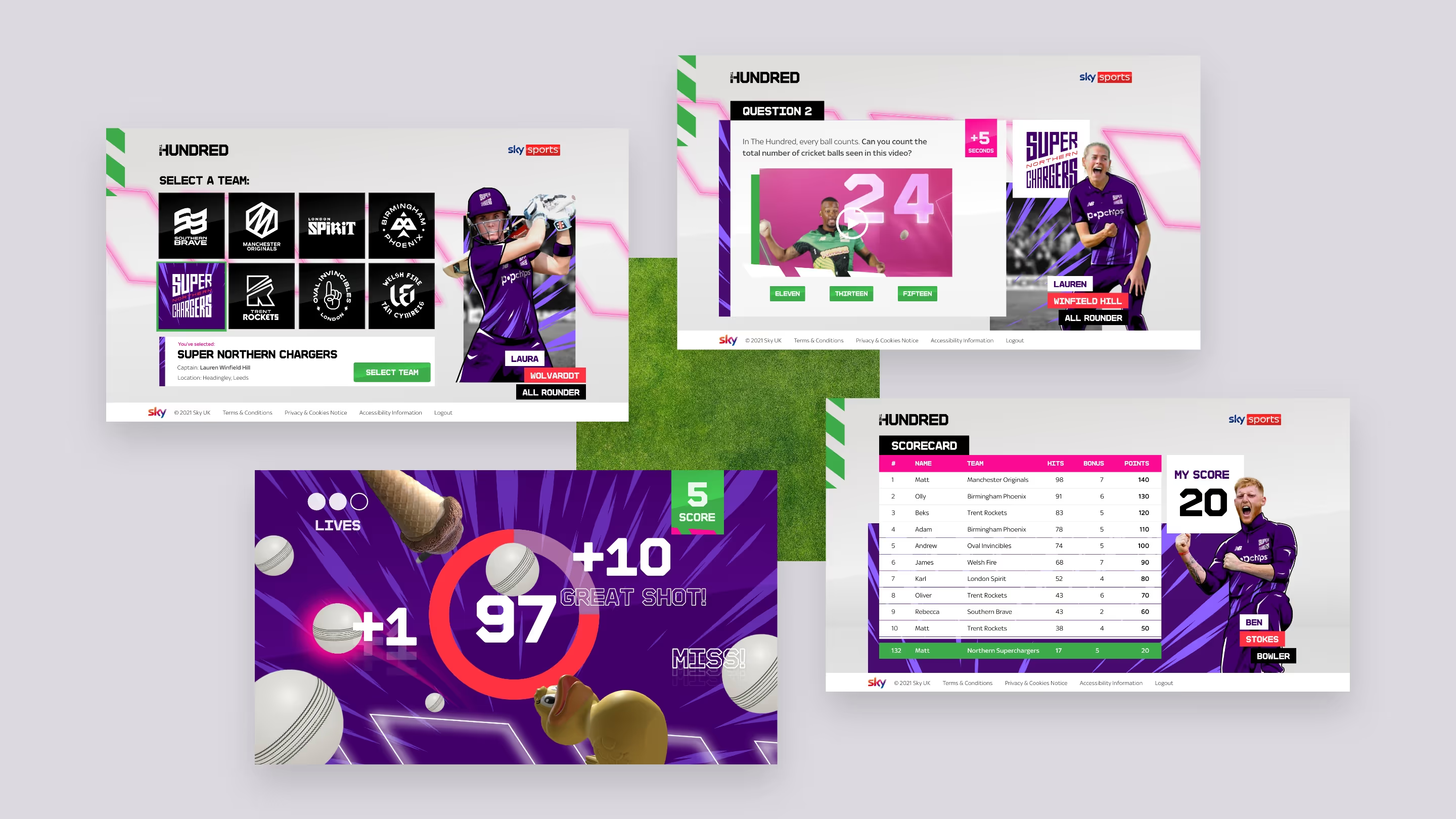
The Hundred used a fast swipe mechanic inspired by the competition’s more chaotic, entertainment-led energy. Players did not need to understand cricket to enjoy the game.

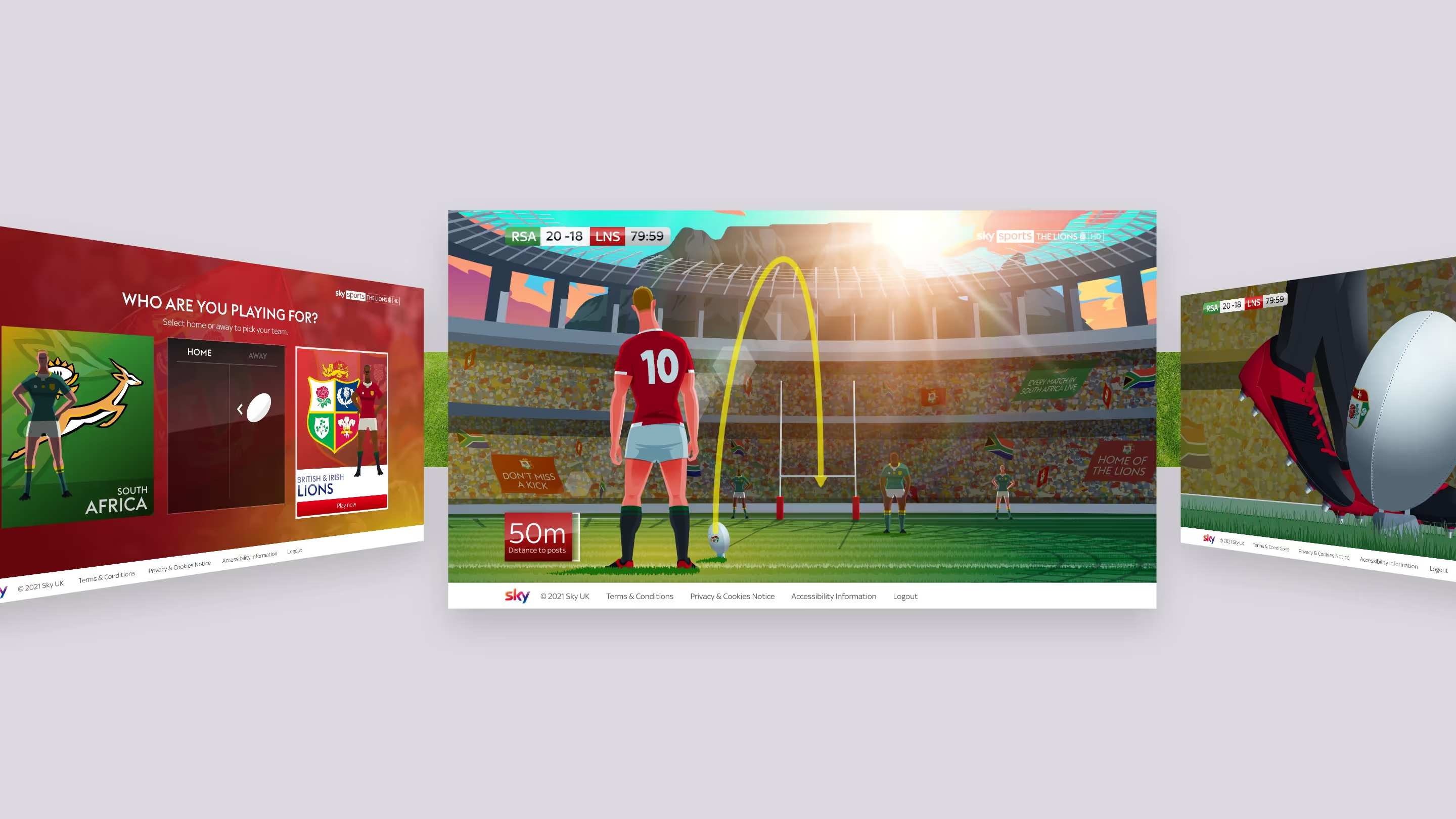
The Rugby Union Lions Tour focused on one simple high-pressure moment, asking players to land the final kick to win the series.
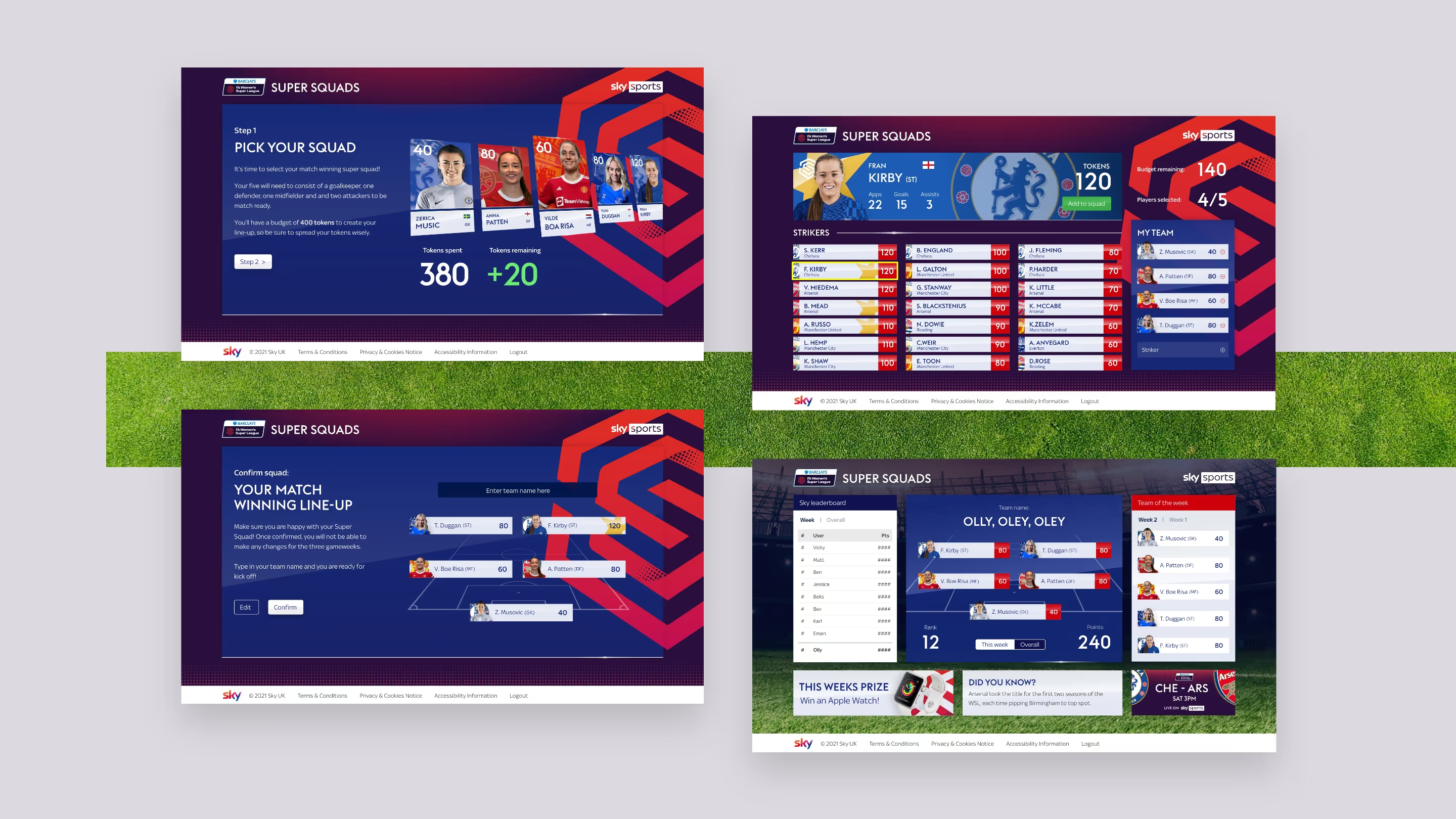
Women’s Super League tested a fantasy-style team-building mechanic, but the concept exposed a key constraint. Reliable player data was limited, which made the experience harder to balance and less successful than the others.
Outcome
The campaign exceeded its overall engagement target by more than 120% within the first four days and generated three times more interaction than any previous Sky digital activation.
Formula 1 was the standout, with over 34,000 games played and an average of ten races per player, more than three times the previous record.
The campaign proved that sports engagement could reach beyond existing fans when the experience was built around participation, competition and simple entry points.
Reflection
The clearest lesson came from the difference between the games. Formula 1, Rugby and The Hundred worked because the interaction was immediate and easy to understand. The WSL game was more fragile. It depended on external player data, and when that data became unreliable, the tight timeline left little room to recover.
For broad employee engagement, the project reinforced the value of simple mechanics, early validation and a concept that can still work when the delivery conditions change.