
About
Cloud Club is the Giants’ 140-capacity all-inclusive premium space at Oracle Park. With membership plateauing, the team began exploring single-game access as a way to reach a broader audience.
Challenge
The challenge was to make the club more visible and desirable without weakening its premium value. The experience needed to give guests a reason to engage, return and share, while still feeling controlled, credible and exclusive.
Outcome
The 19-game live residency turned Cloud Club into a cultural platform. With Jeremy Fish in the room to create live during games, the experience gave guests a reason to return, interact and share, generating social reach, press coverage and cultural value beyond the ballpark.

The brief
Cloud Club is a 140-capacity premium space at Oracle Park and the Giants’ only all-inclusive ticket offer. Traditionally, the club built its identity through experiential takeovers. Over time, membership had plateaued, and the team began exploring single-game access to reach a broader audience without weakening the value of the existing membership.
The opportunity was not to add another polished activation. It was to reposition the club as a cultural platform. Something that could raise awareness, create demand and give the premium product a stronger story beyond the space itself.




The Problem
Cloud Club needed to become more visible without feeling less premium. Another static takeover might have changed the room, but it was unlikely to create enough attention or repeat interest. Opening the space through single-game access also carried risk, so the experience had to feel credible, desirable and worth talking about from the first game
The idea
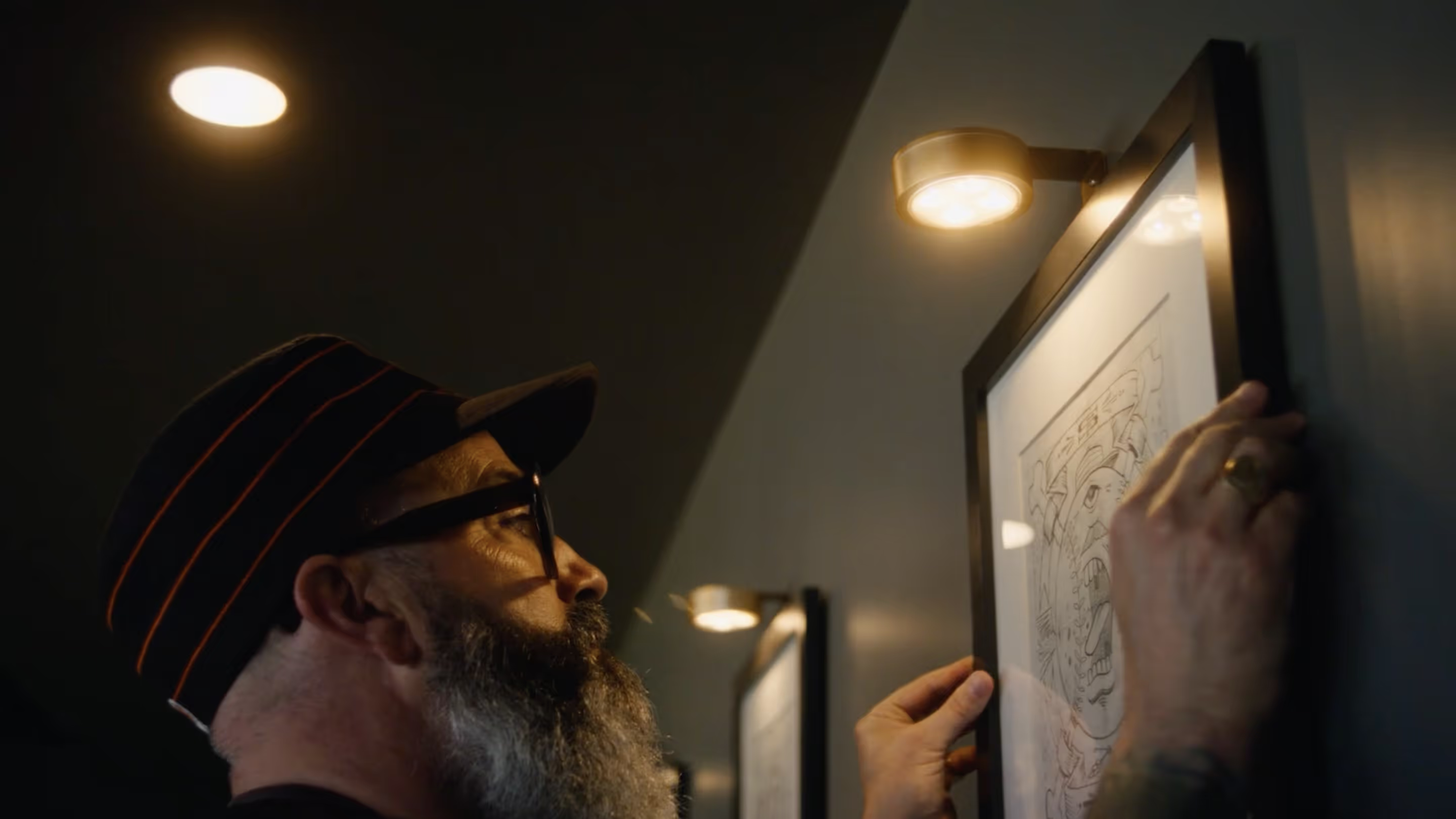
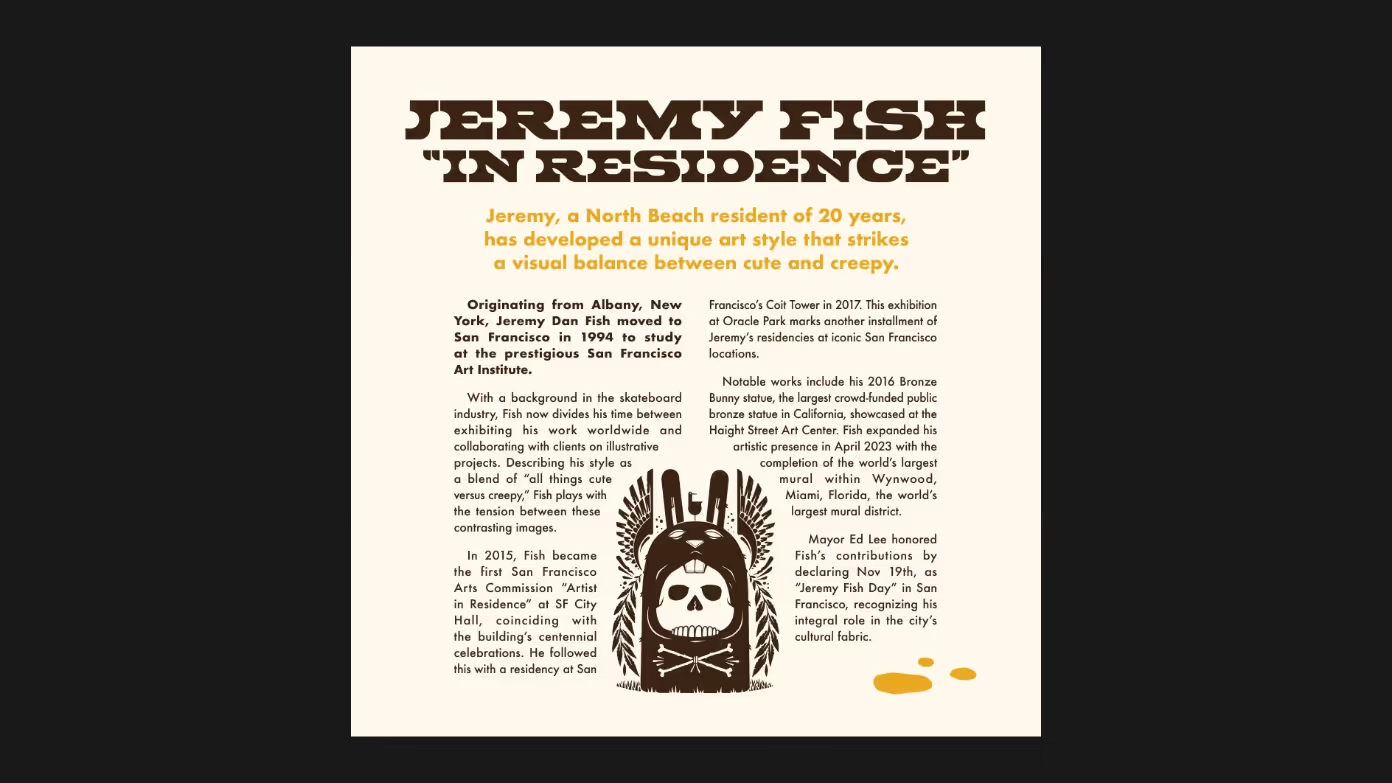
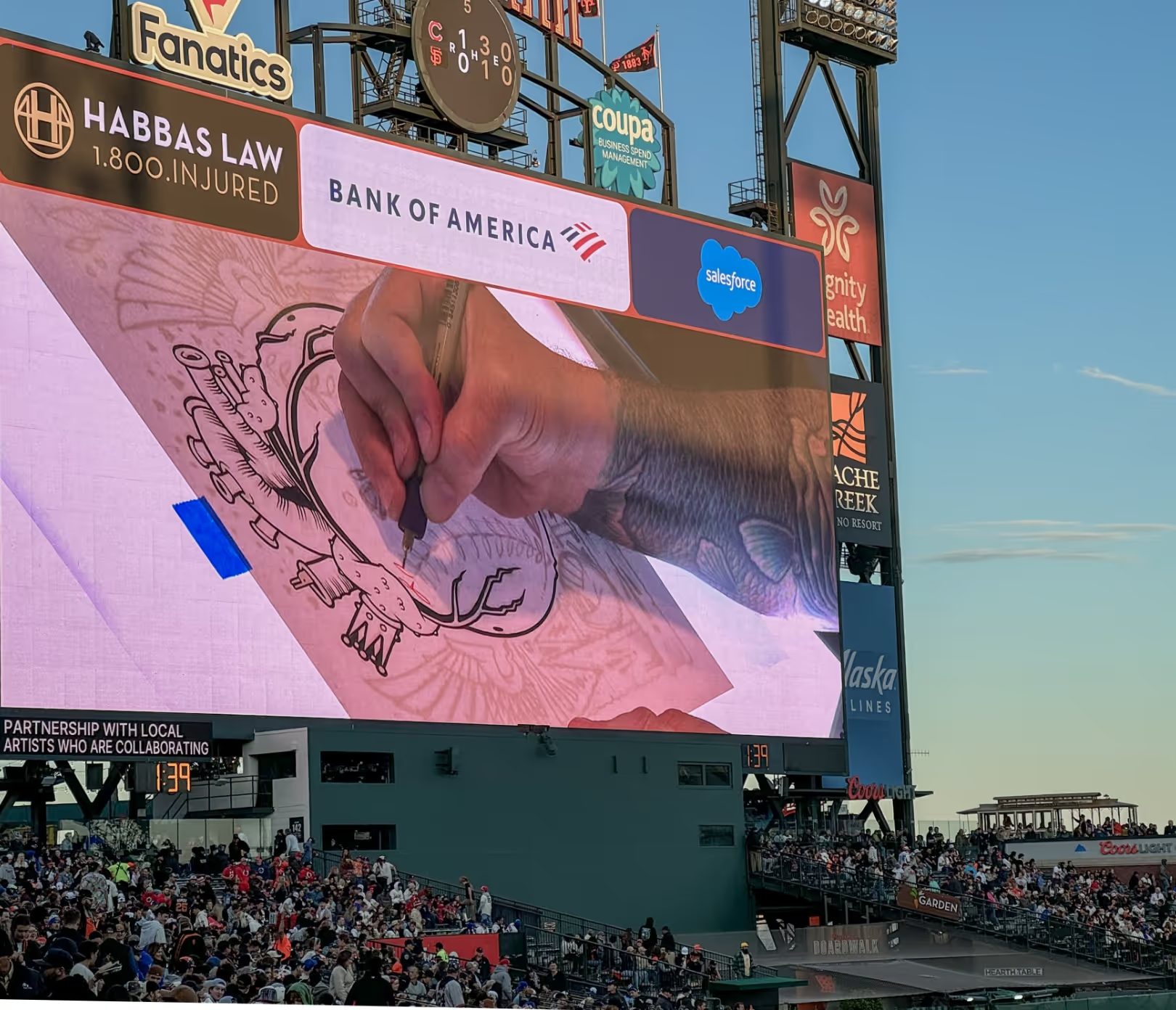
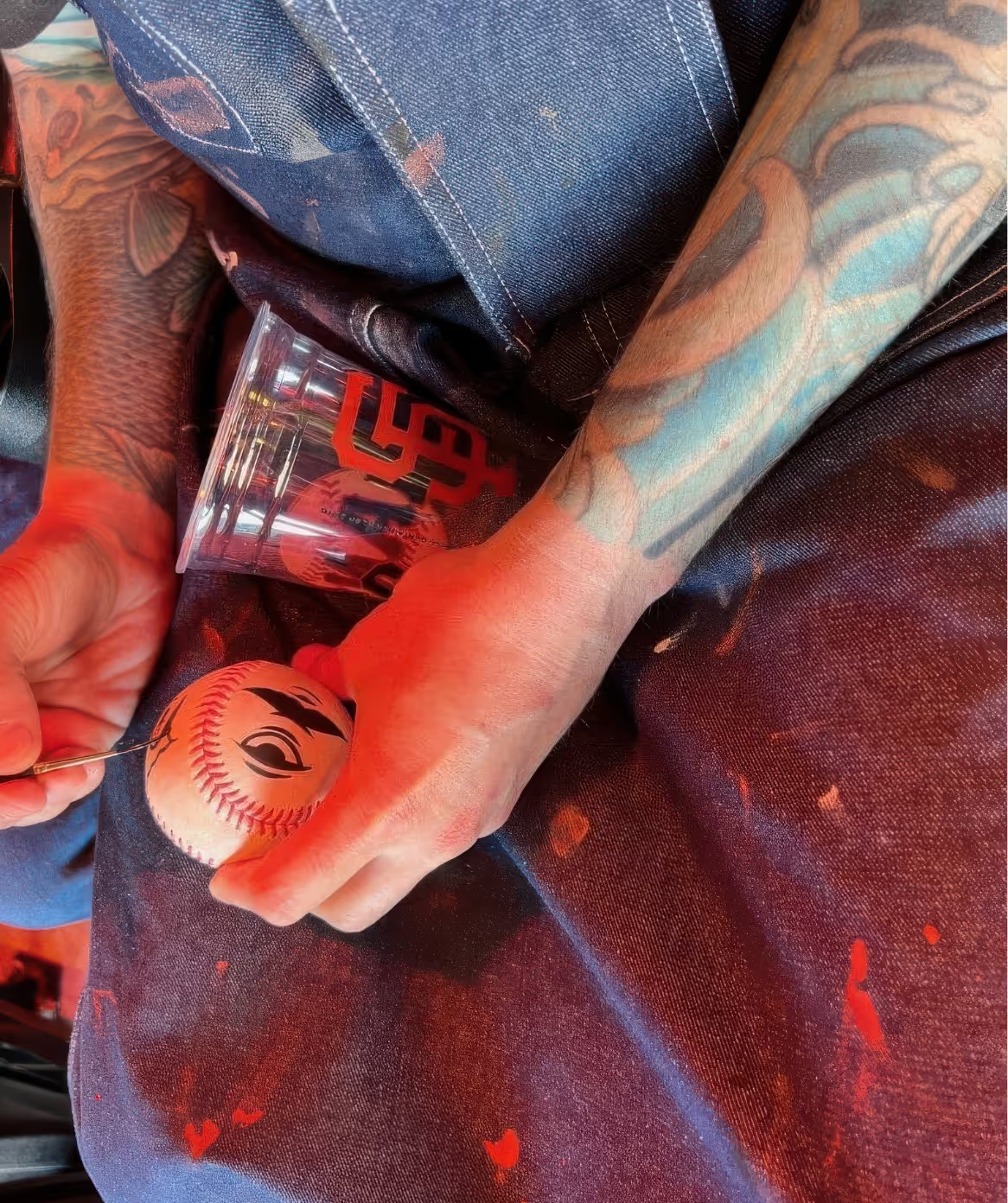
We turned part of Cloud Club into a working studio and invited San Francisco artist Jeremy Fish to create new work live during Giants home games.
Across 19 games, the residency built night by night, responding to the season as it unfolded. The club was not hosting a finished exhibition. It was becoming a live record of that stretch of baseball, made in front of guests. Having Jeremy on site was the critical part. It changed the room from a display into a live experience, giving guests a reason to return, interact and share the work as it evolved.
Risk and trade-off
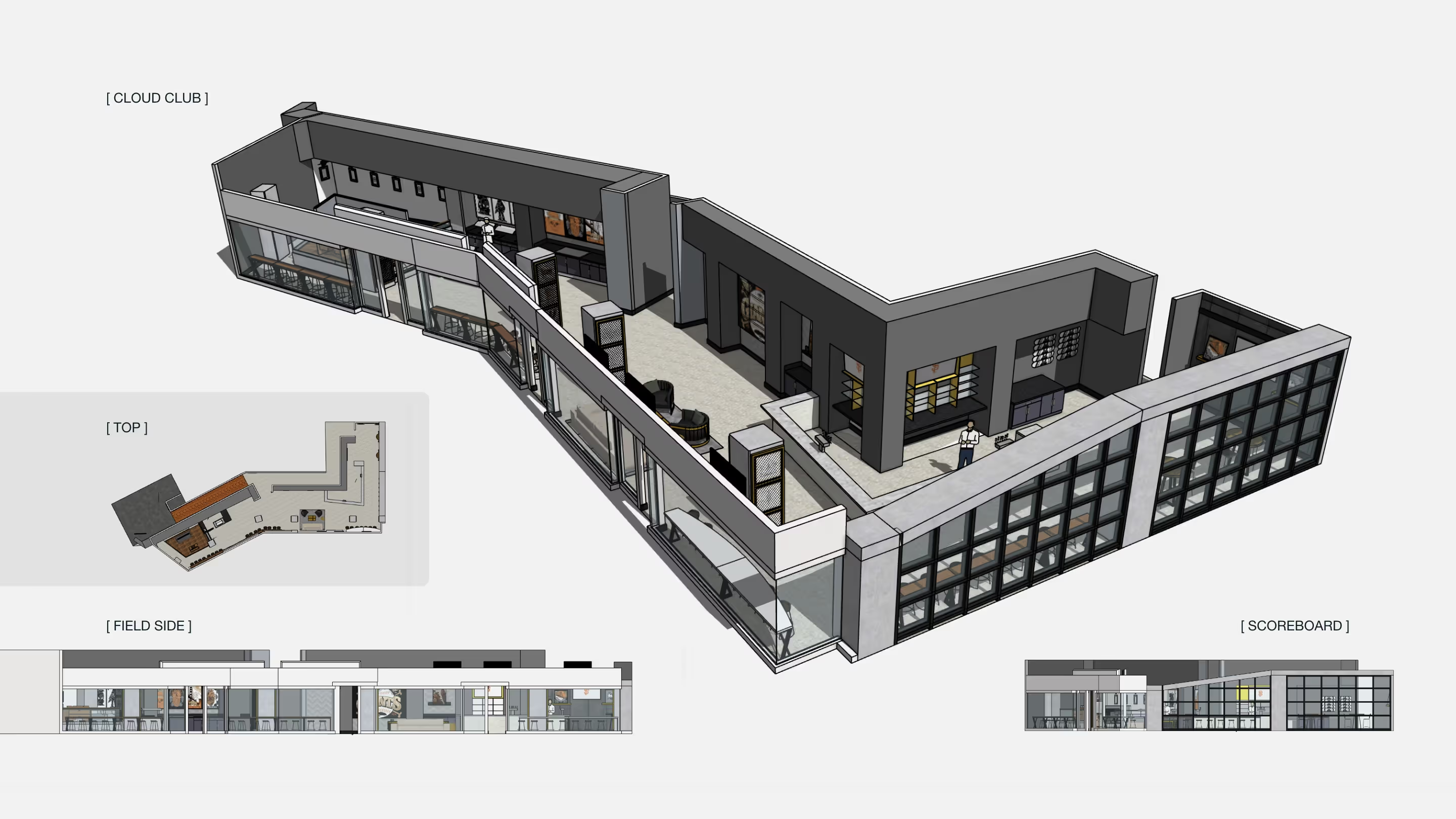
The residency asked the business to give up some short-term control. It took up valuable floor space, reduced capacity on busy games and required media access without any guarantee of coverage.
The trade-off was a deliberate move. A fuller room was not the only measure of value. A more visible, talked-about club could do more for demand than a few extra covers on a single night. The strategy was to use scarcity, access and cultural credibility to make the premium offer feel more desirable, not simply more available.


Experience strategy
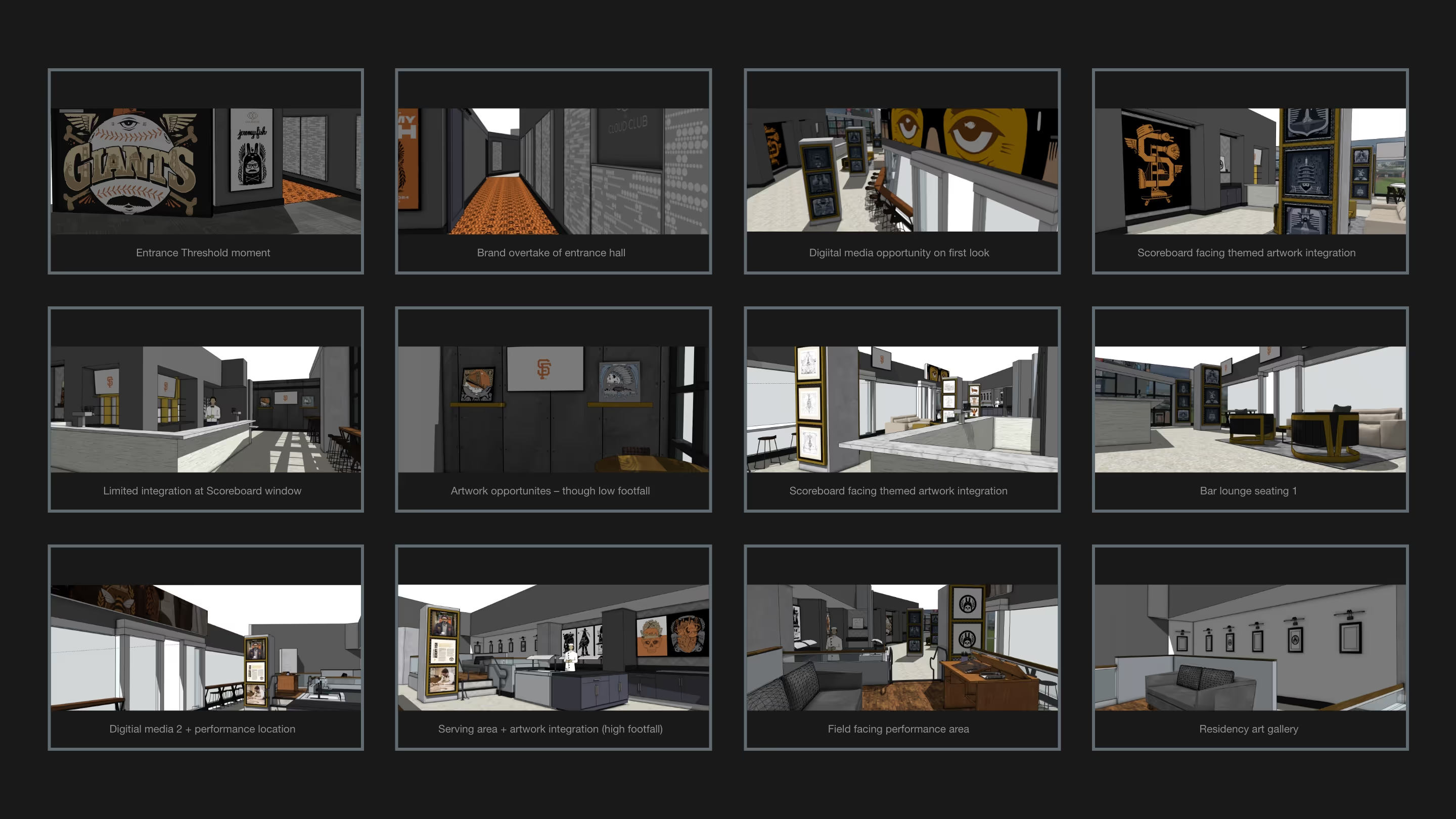
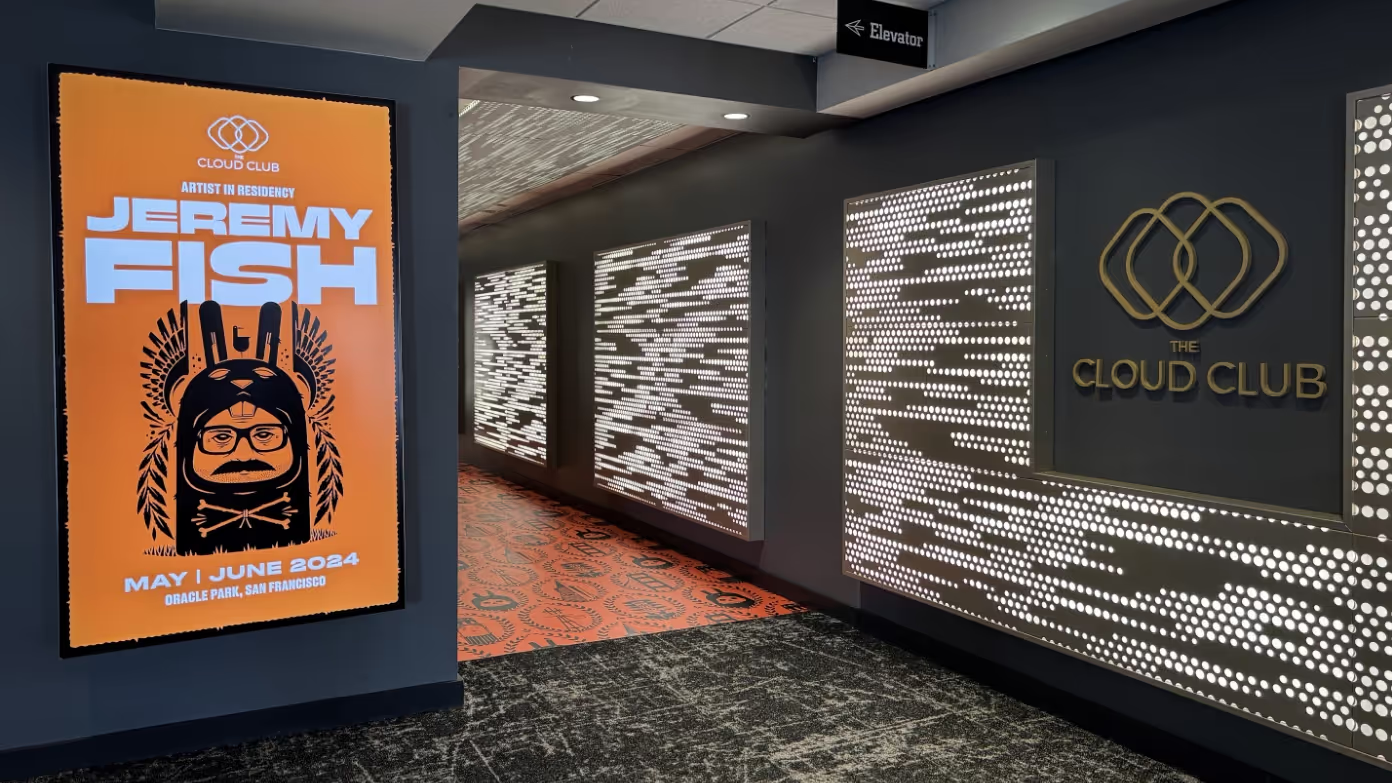
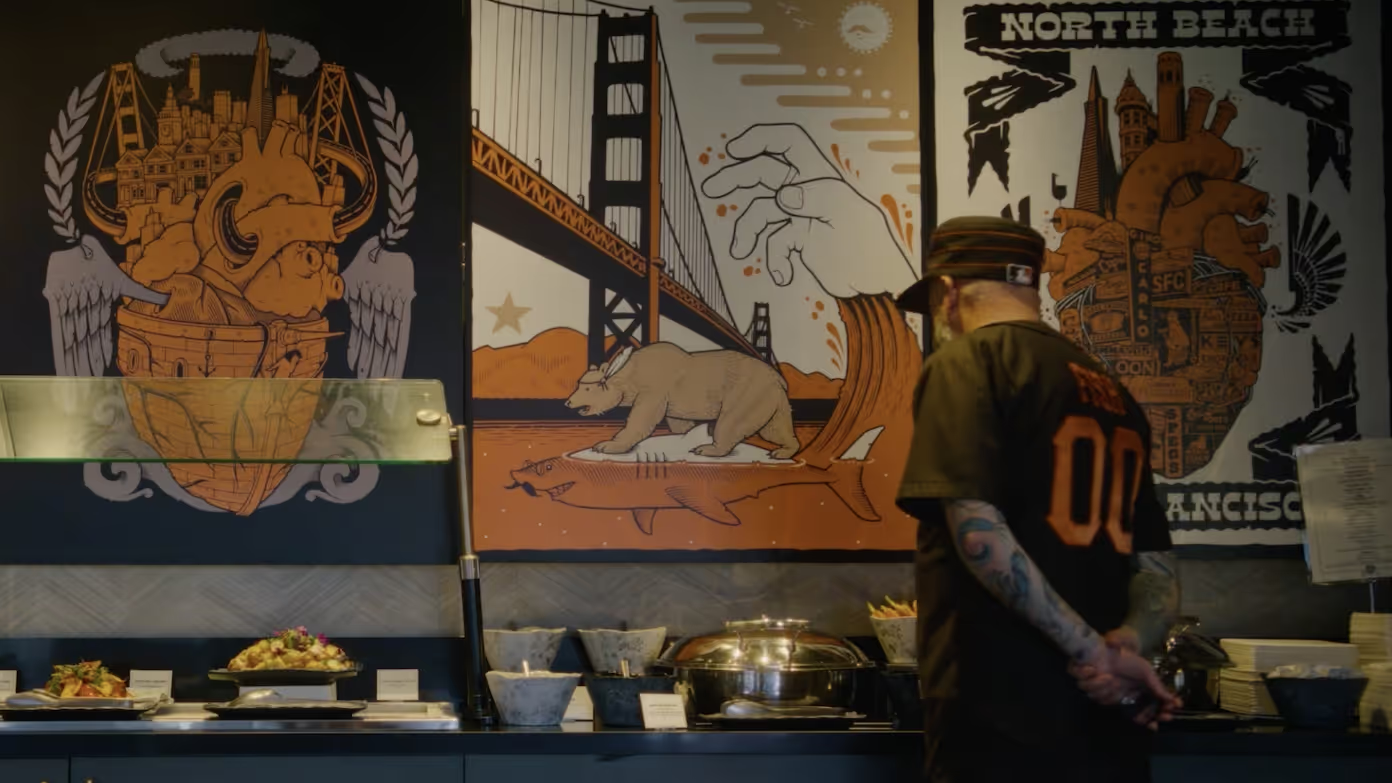
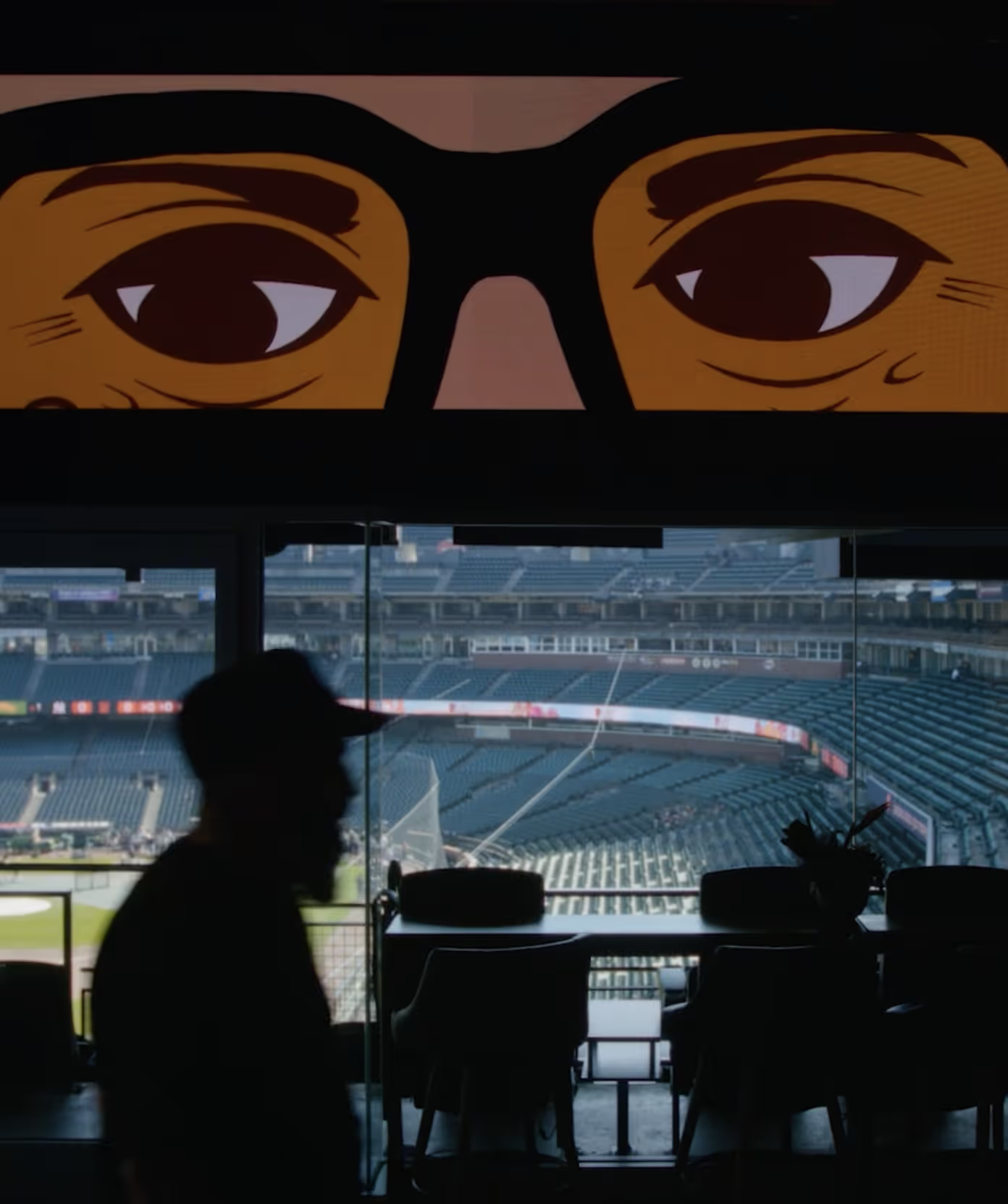
The experience was designed as a sequence, not a standalone installation. A branded entry moment shifted guests from stadium to studio. Inside, Jeremy worked from a raised platform, keeping the process visible and interactive without disrupting the room.
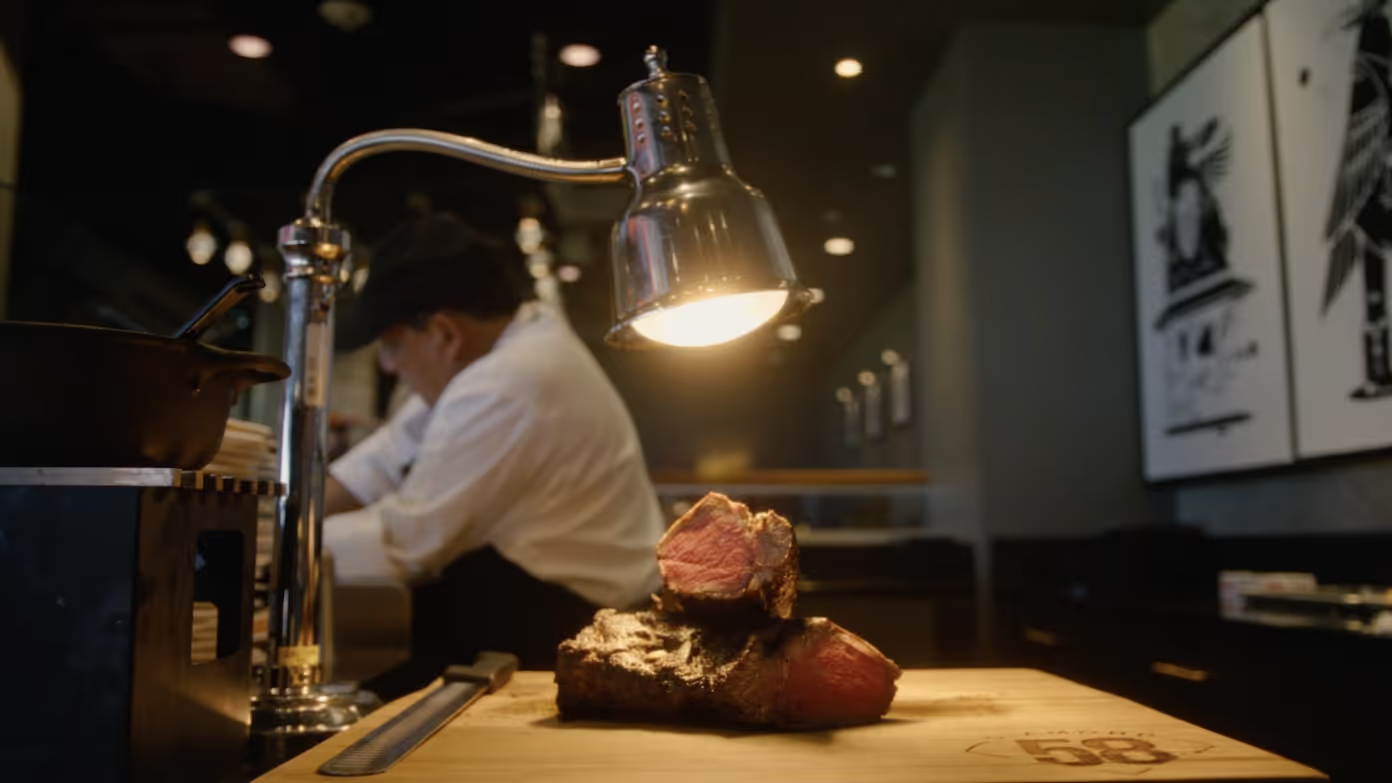
Artwork was integrated into existing fixtures, while Jeremy-curated food and drink extended the idea into hospitality. The aim was to make Cloud Club feel more distinctive without making it feel less premium.


Realtime iterating
The residency was tuned throughout the run so it never became static. Output changed each night, timings were adjusted to increase interaction, and custom artefacts created smaller moments of scarcity.
Jeremy’s daily documentation extended the experience beyond the room, turning Cloud Club into both a live premium experience and a digital content engine for fans who couldn't attend in person.
Results
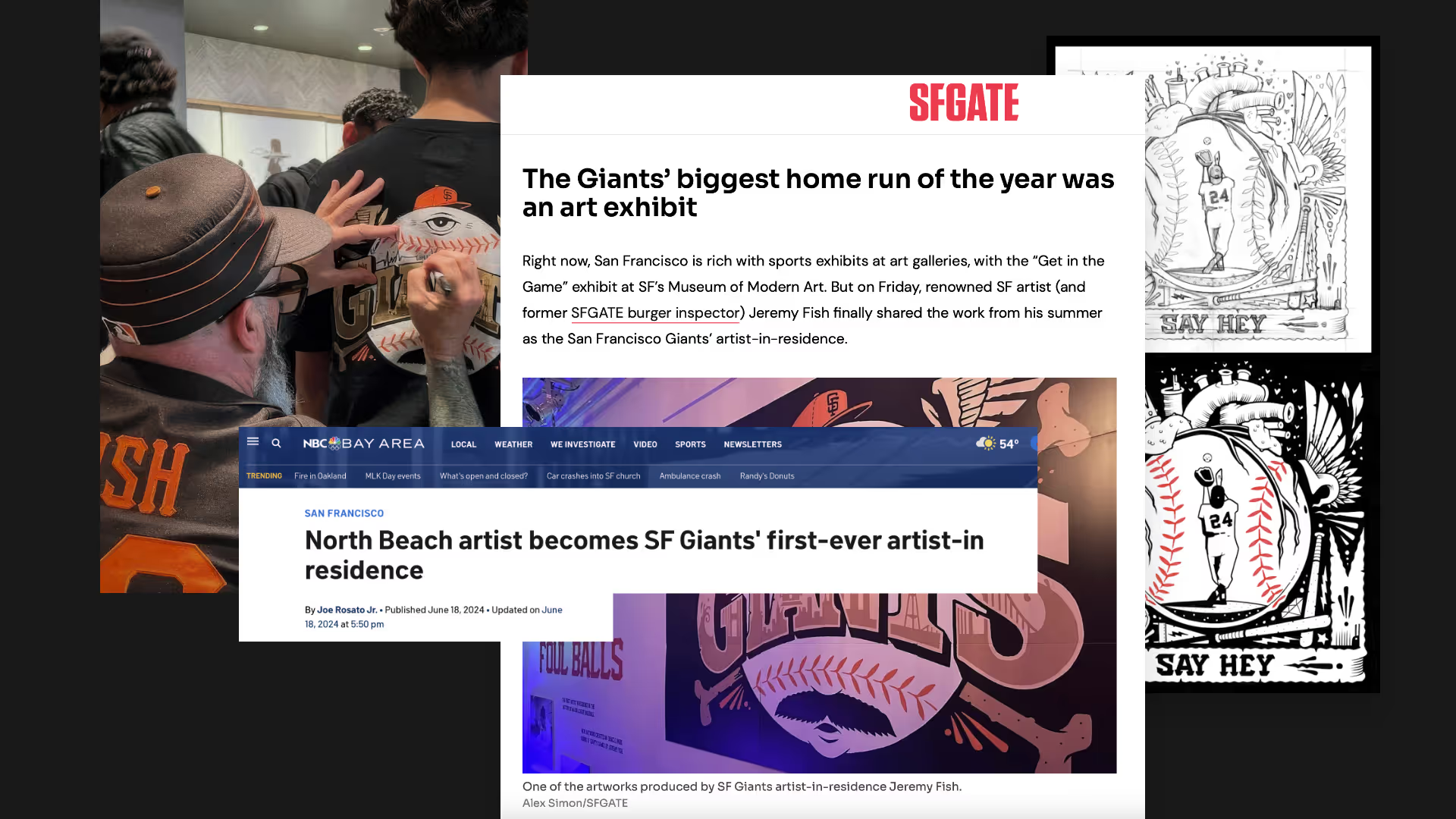
The residency generated primetime coverage on NBC News, features in SFGate, a 10× increase in social reach and additional bespoke ballpark tours in response to demand. More importantly, the idea carried beyond the ballpark, with a three-month exhibition at the Haight Street Art Center and Jeremy McNamara’s documentary Loyal to the Soil later featured at the SFO International Museum.
Reflection
This project changed how Cloud Club was understood. It showed that premium does not have to mean sealed off or static. When shaped around live participation, a space can become more desirable without becoming less exclusive.
It also changed what the space could be used for. Premium environments can do more than host guests. Used well, they can support ticketing, media, brand relevance and city presence at the same time. In this case, culture was not decoration. It was what made the space work.