

About
Rolls-Royce sales teams needed a more reliable way to use product and service information during live client conversations. Existing material was spread across documents, presentations and internal systems, making it hard to access in the moment.
Challenge
The challenge was to make dense information easier to navigate without reducing its depth or authority. The tool also needed to work offline and feel credible within Rolls-Royce’s brand and governance standards.
Outcome
We delivered a shipped MVP that gave sales teams a single reference point for client meetings. It reduced reliance on separate materials, supported offline use and created a clearer foundation for future product expansion.
Overview
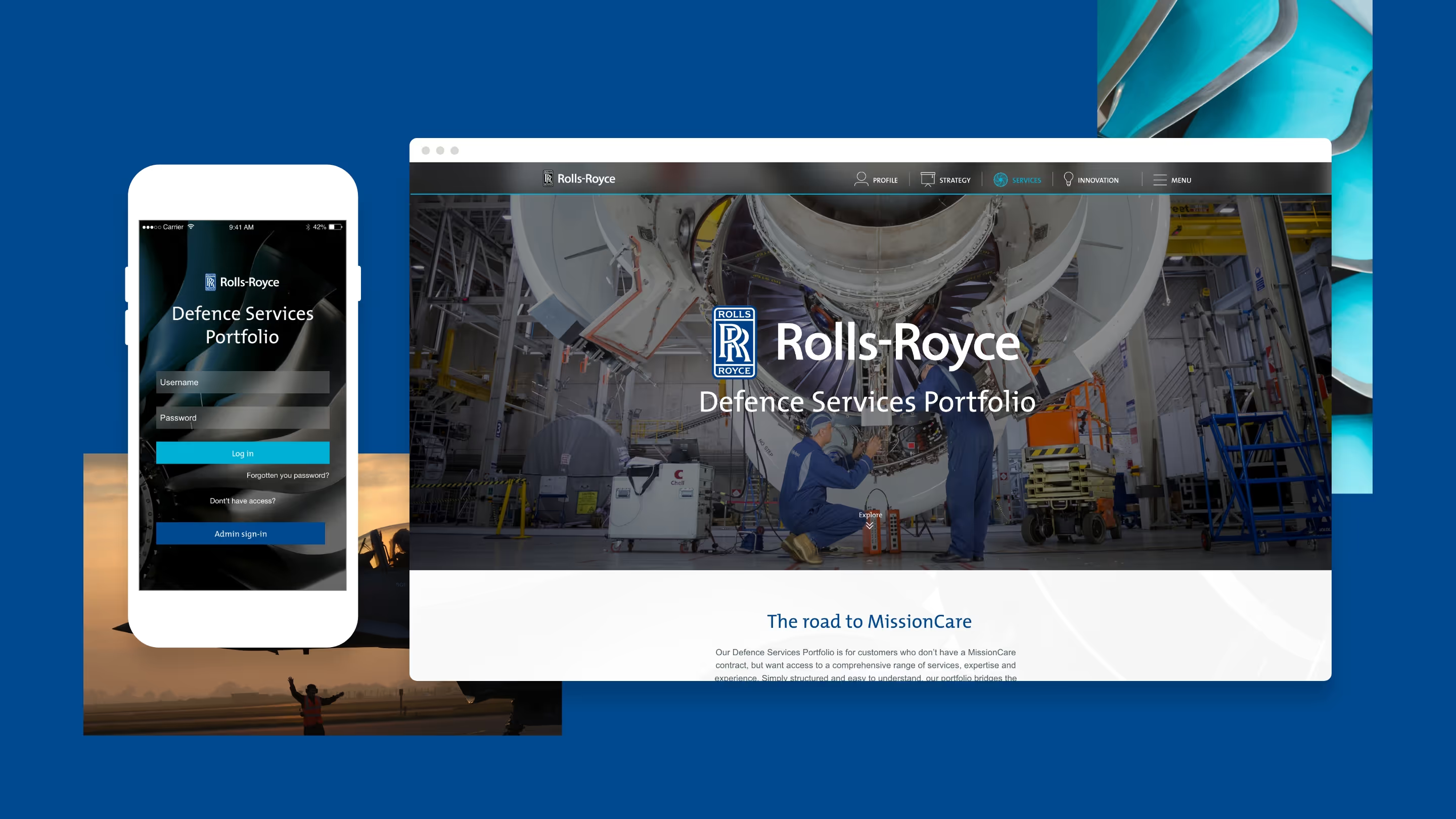
Rolls-Royce sales teams needed to explain complex products and services during live client conversations. Much of the information lived across documents, presentations and internal systems, making it difficult to access and explain quickly in the room.
The brief was to design a digital sales support tool that gave reps a clearer way to navigate product information during meetings, both online and offline.
My role
As the sole designer, I owned the structure and design of the MVP, from information architecture and prototyping through to visual design. The work involved turning complex sales needs into a product that could support live client conversations while still being realistic to build within scope, timeline and budget.
I worked with the agency team, developers, the client’s internal product team and Rolls-Royce employees to understand how the tool would need to behave in meetings, especially when reps were moving between topics or working offline.
Design approach
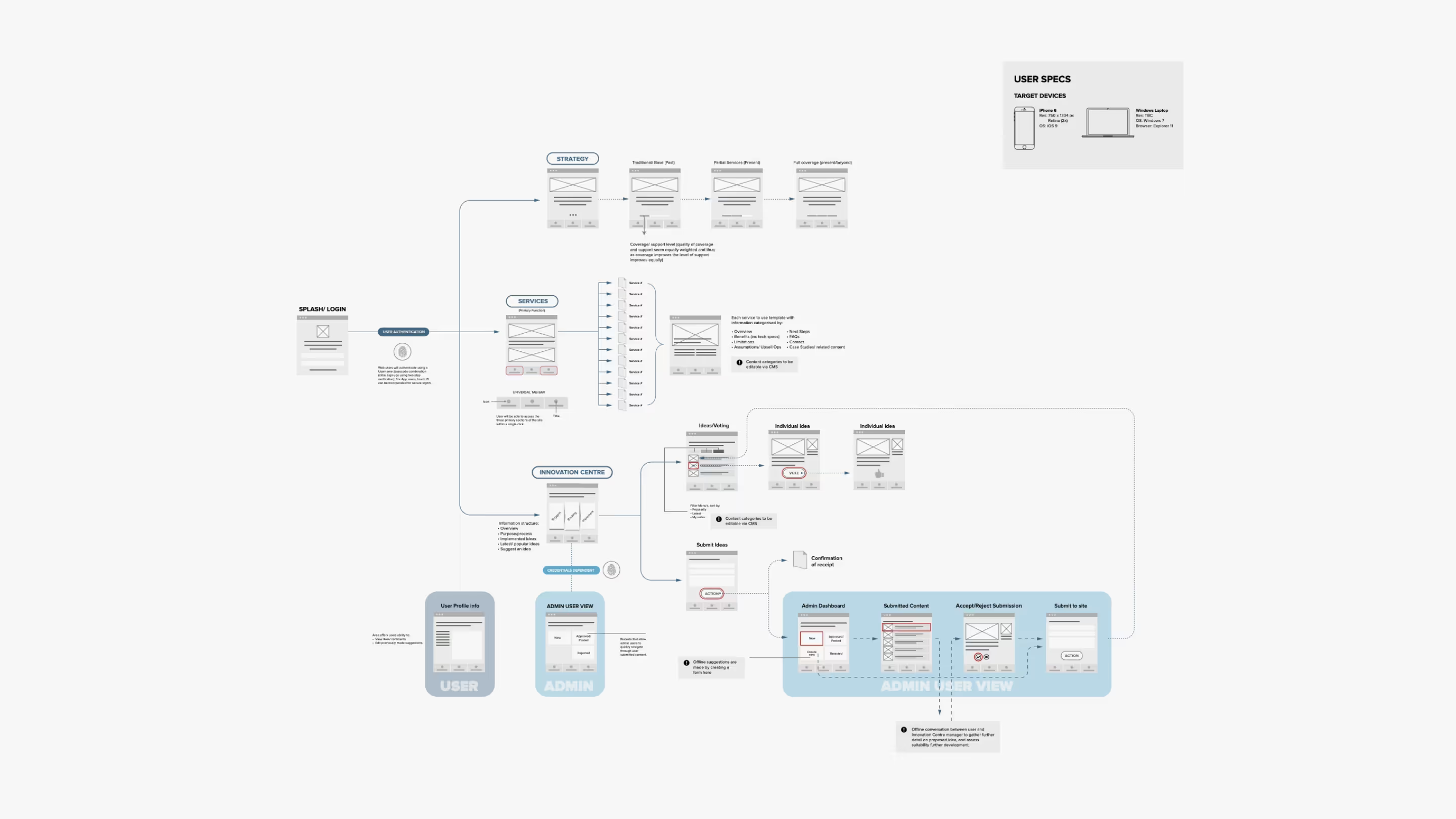
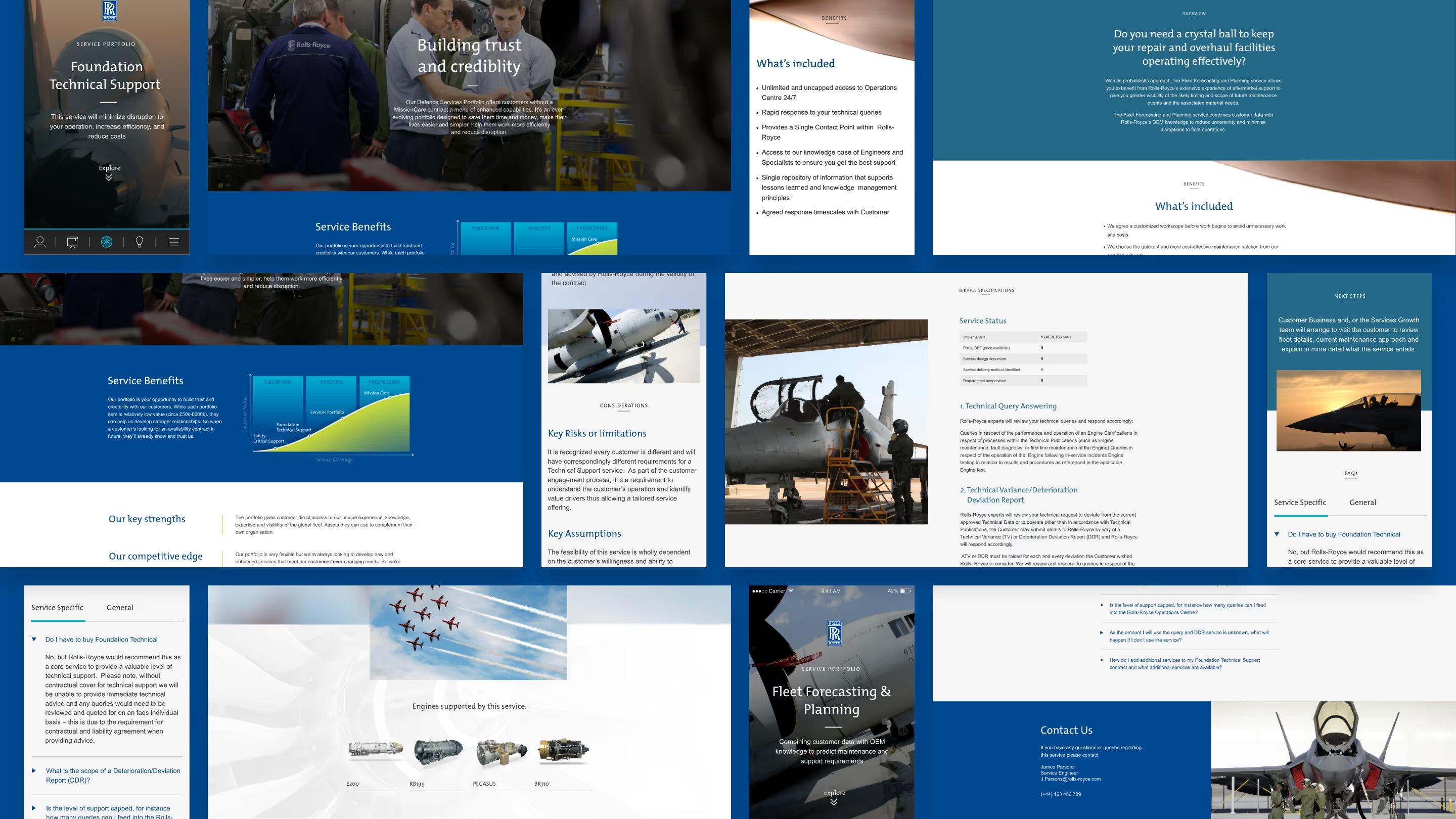
The product was structured around the flow of a sales conversation. Reps could move from high-level product overviews into deeper technical detail depending on where the meeting went, rather than being locked into a fixed path.
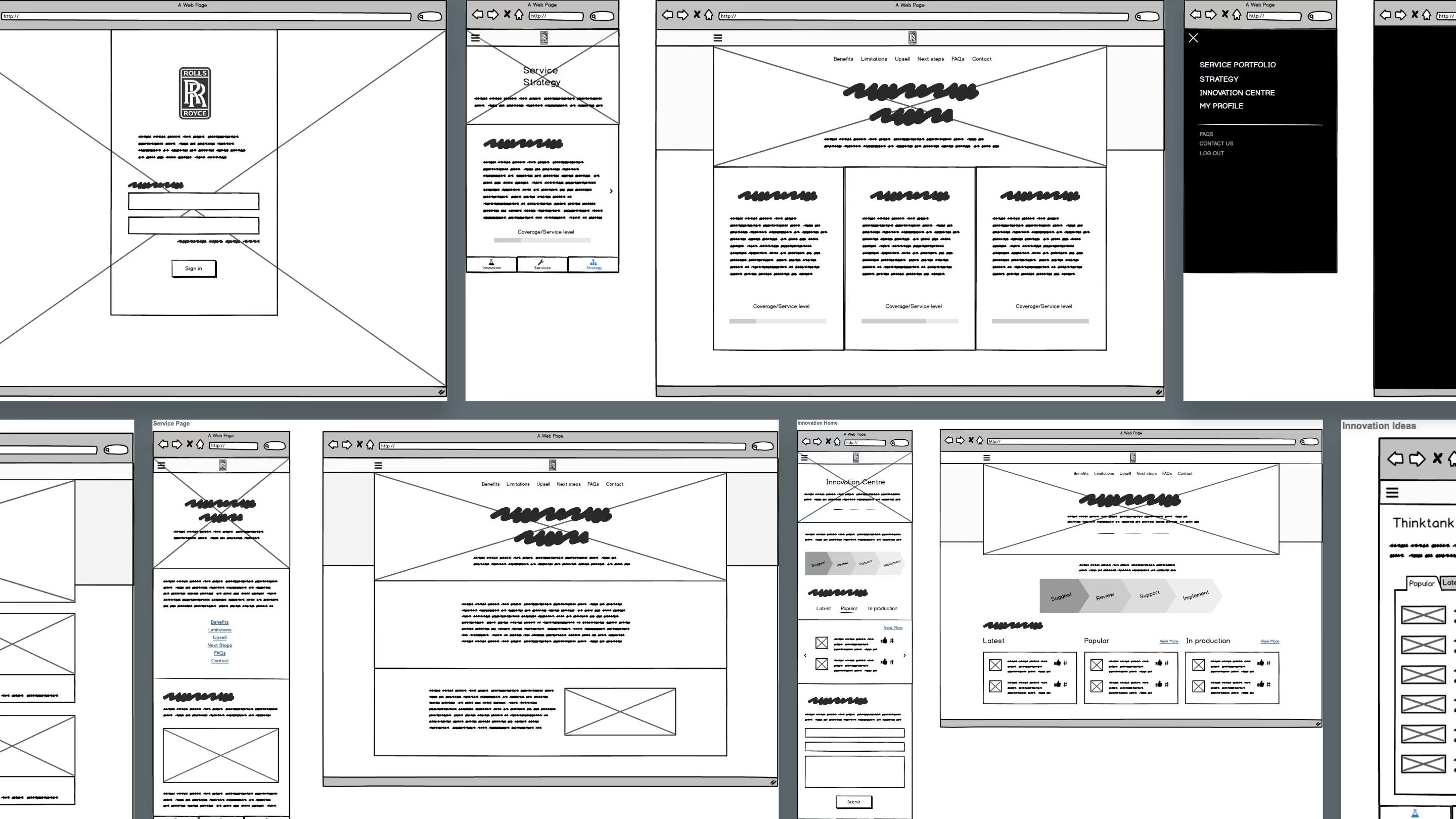
Prototypes were used to test whether the structure felt quick, predictable and easy to recover from mid-conversation. The aim was to reduce friction without flattening the complexity of the offer.
Designing for offline use
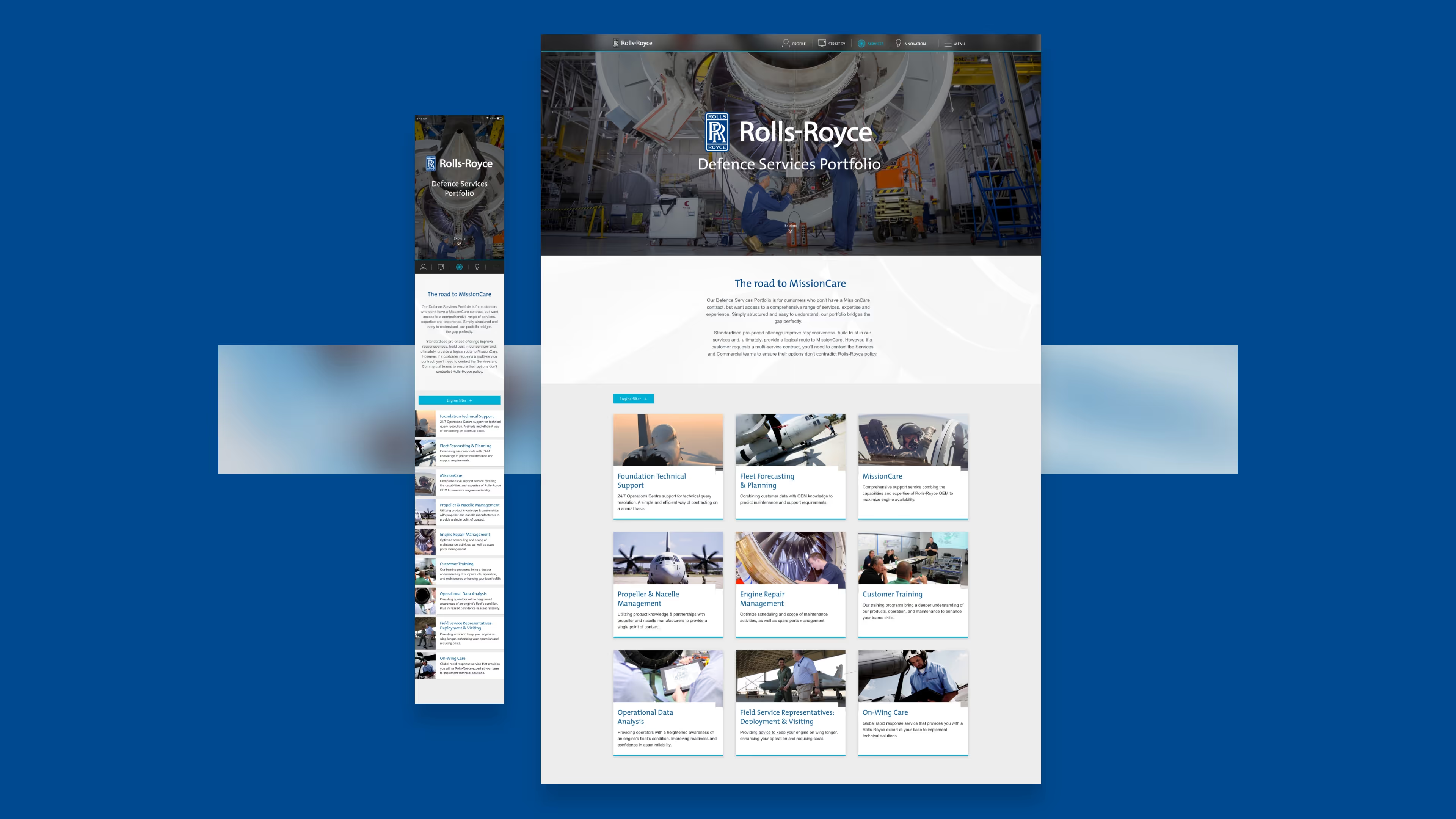
Offline use shaped the interface from the start. Layouts were kept simple, interactions predictable and content density controlled so the tool felt stable in live meeting conditions.
The sales rep needed to stay focused on the client, not on whether the tool would load, lag or behave unexpectedly.

Brand and trust
The visual design needed to build trust without drawing attention to itself. Rolls-Royce’s values of precision, restraint and engineering quality shaped the typography, spacing, colour and layout.
The interface was deliberately understated, using clarity and consistency to make the tool feel appropriate for high-value client discussions.
Innovation Centre
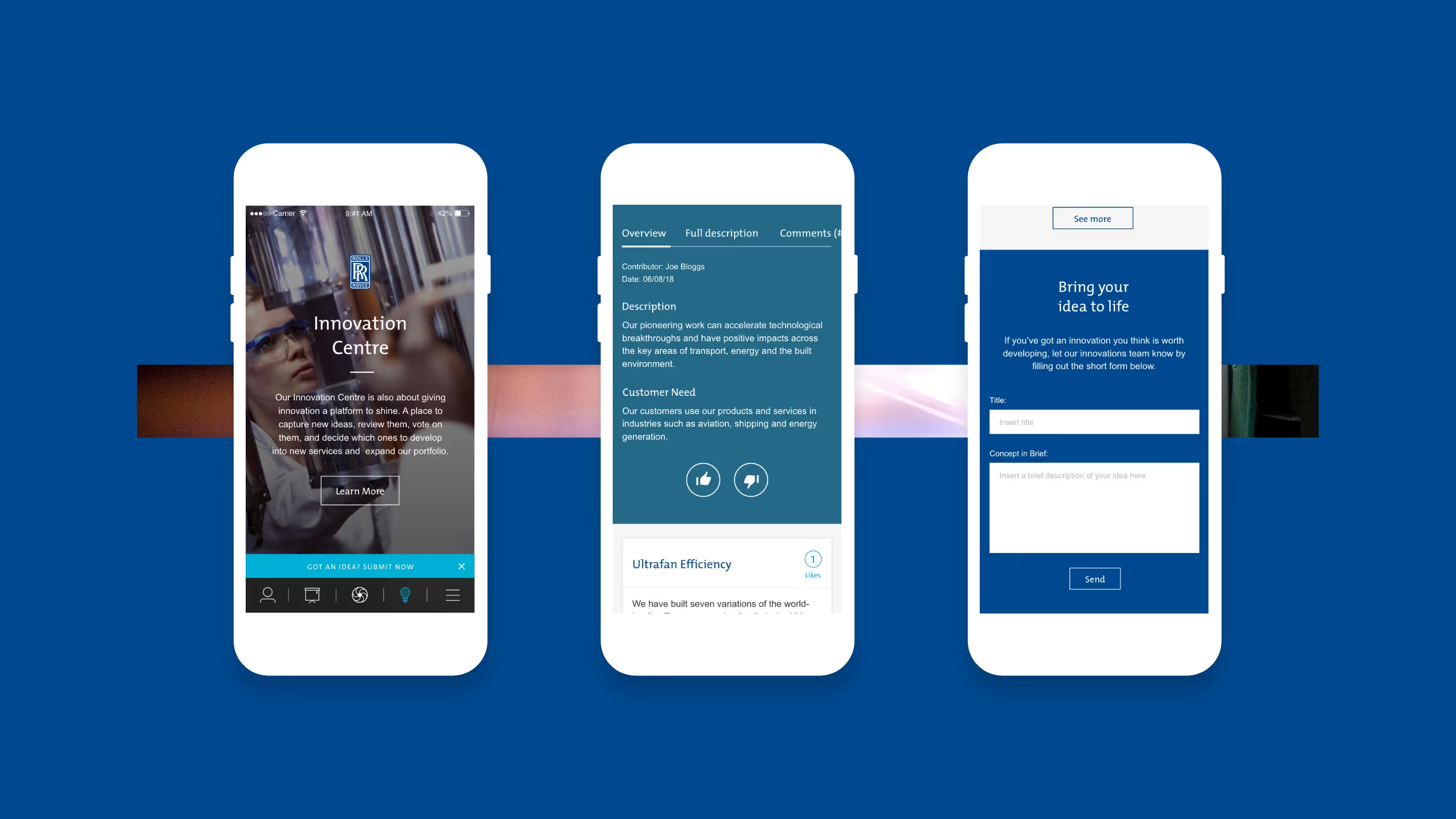
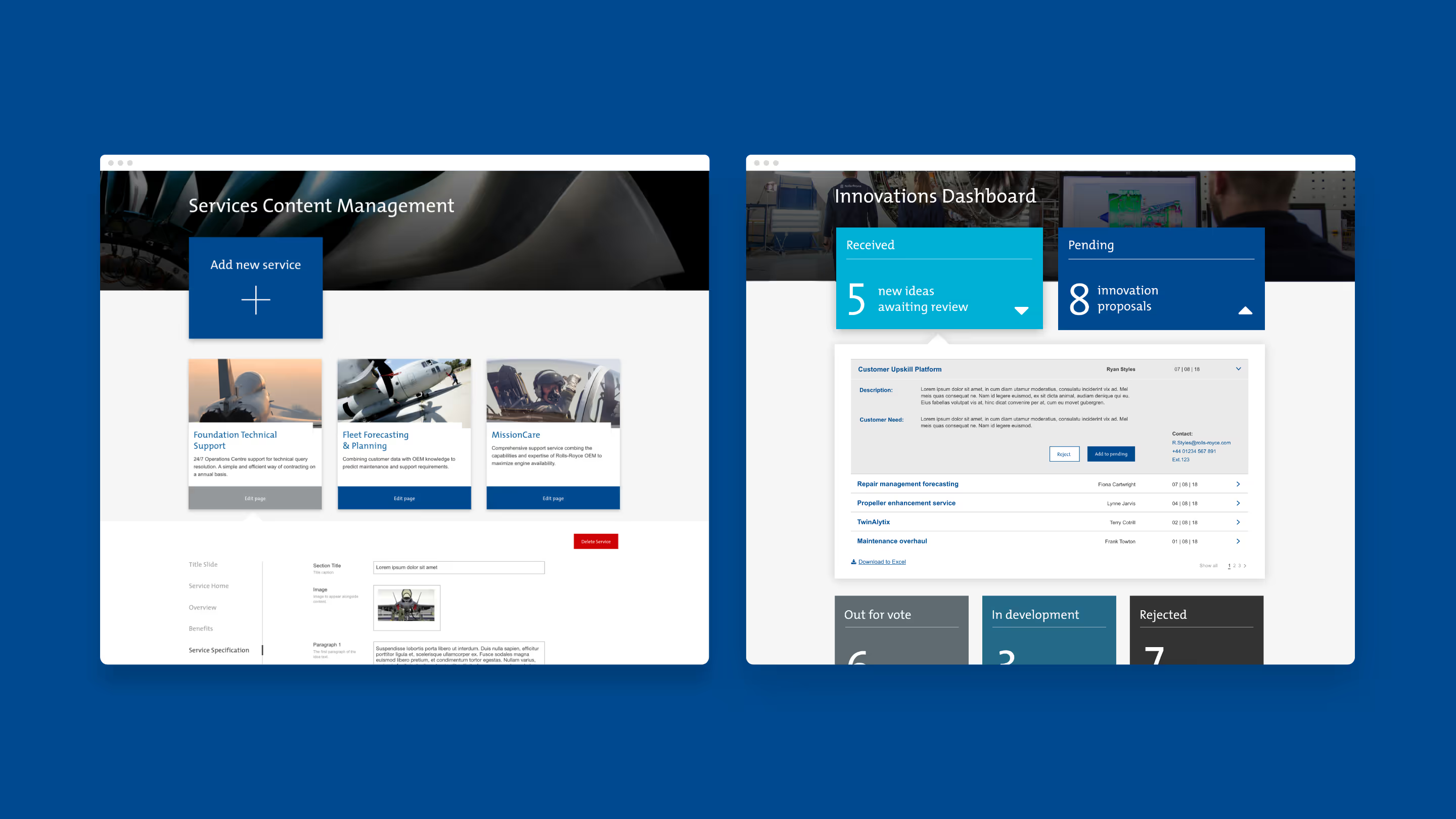
The MVP also included an Innovation Centre feature, extending the platform beyond sales support. Employees could browse, upvote and submit ideas, while a CMS-backed workflow allowed the innovation team to review and publish submissions.
Outcome
The product shipped as an MVP, giving Rolls-Royce sales teams a single, more reliable reference point for client meetings.
It reduced dependence on scattered documents and presentations, supported offline use, and created a clearer foundation for future iteration as the tool expanded beyond the initial release.